
13th ISCaM Annual Meeting

Padua, Italy • 21-23 September 2026
How nutrient availability impacts tumorigenesis
13th ISCaM Annual Meeting
Padua, Italy • 21-23 September 2026
How nutrient availability impacts tumorigenesis
13th ISCaM Annual Meeting
Padua, Italy • 21-23 September 2026
How nutrient availability impacts tumorigenesis
We are pleased to announce that the 13th Annual Meeting of the International Society for Cancer Metabolism (ISCaM) will be held in Padua (Italy) from September 21st to 23rd, 2026.
ISCaM2026 will build on the success of prior editions, which gathered more than 200 participants from all over the world each year to consolidate a vibrant community of scientists working on different aspects of cancer metabolism.
The defining goal of the meeting is to dissect how nutrient availability impacts cell fate and tumorigenesis. Using dietary and metabolic intervention to starve tumor cells is an old concept that has been significantly rewired to fit emerging evidence. Basic and translational studies will be presented to provide the state-of-the-art.
In addition to a stellar line-up of invited speakers, short talks and poster presentations will provide opportunities for researchers at all levels, with a special support for junior scientists, to discuss their most current work in this field. This meeting will represent an excellent opportunity to share knowledge and methodology in tumor metabolism research and to network in a collegial and social atmosphere, during the breaks, reception and conference dinner.
The Organising Committee
Registration and abstract submission open:
2 March 2026
Abstract submission deadline:
EXTENDED TO
13 July 2026
Notification of abstracts selection:
30 July 2026
Payment with early bird discount deadline:
25 August 2026
Online Registration and late payment deadline:
10 September 2026





Lydia Finley
MSKCC, NYC, USA
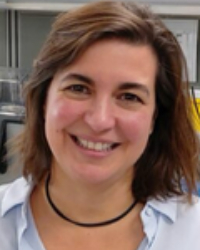
Cristina Muñoz Pinedo
IDIBELL, Barcelona, Spain
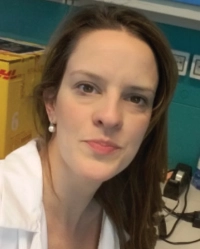
Roxana Oberkersch
University of Padua, Italy

Alejo leads the Metabolism & Cell Signaling lab at the CNIO in Madrid, where he combines mouse genetics with cell biology and biochemical approaches to study the interplay of nutrients and hormones in disease.
Alexis Jourdain earned his PhD in 2013 at the University of Geneva, where he studied mitochondrial gene expression and mitochondrial RNA granules under the supervision of Prof. Jean-Claude Martinou as a Roche Research Foundation fellow. In 2015, he joined the laboratory of Prof. Vamsi Mootha, an investigator of the Howard Hughes Medical Institute, at the Broad Institute, Harvard Medical School, and Massachusetts General Hospital. During his postdoctoral training as a fellow of the European Molecular Biology Organization and the Swiss National Science Foundation, he used systems biology approaches to identify nuclear genes involved in energy metabolism, including genes encoding mitochondrial subunits and pre-mRNA splicing factors. In spring 2021, he joined the Department of Immunobiology at the University of Lausanne as a tenure-track assistant professor, and since 2026 he has been an EMBO Young Investigator.
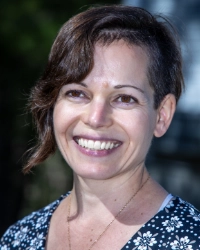
Dr. Naama Kanarek is a cancer metabolism researcher and Assistant Professor of Pathology at Harvard Medical School and Boston Children’s Hospital. She earned her B.Sc. in Medical Science, M.Sc. and PhD from Hadassah Medical School at the Hebrew University of Jerusalem. Her Ph.D. in Immunology and Cancer Research, focused on cancer signaling, was mentored by Pro. Yinon Ben-Neriah and included an international collaboration for one year at the lab of Pro. Sankar Ghosh at Columbia University.
Dr. Kanarek was a postdoctoral fellow at the Whitehead Institute (MIT). Working in David M. Sabatini’s laboratory, she studied the molecular response of leukemia cells to methotrexate, which led her to specialize in folate and one-carbon metabolism.
Currently, the Kanarek lab investigates metabolic adaptations with a focus on one-carbon metabolism. Her work spans basic molecular mechanisms and physiological systems to understand how cancer and immune cells function under nutritional stress. By utilizing metabolite profiling, genetic screens, and disease models, her team aims to advance the understanding of survival and improve health outcomes in cases of disease and malnutrition at both the cellular and whole-body levels.
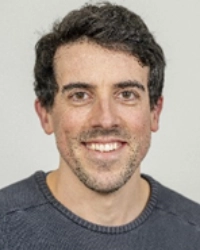
Tom is a CRUK Career Development Fellow at the CRUK Scotland Institute and University of Glasgow. His research group explores how mitochondria are reprogrammed in tumours with an overall goal to target cancer metabolic plasticity.
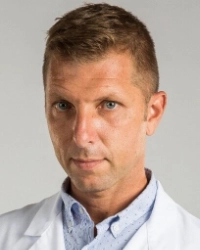
Andrea Morandi began his academic journey with a BSc in Biotechnology and an MSc in Medical Biotechnology at the University of Florence, graduating with honors in 2004 and 2006, respectively. During this period, his research focused on MAPK signaling pathways in both hematological and solid malignancies.
Following his MSc, he pursued a PhD investigating the role of tyrosine kinase receptors in breast cancer. In 2007, he joined the Institute of Cancer Research in London, where he worked under the mentorship of Prof. Clare Isacke. Initially as a visiting PhD student and subsequently as a postdoctoral fellow supported by Worldwide Cancer Research, Dr. Morandi investigated the role of the tyrosine kinase receptor RET in mediating response and resistance to endocrine therapy in breast cancer.
In 2013, he was awarded a fellowship from the Fondazione Italiana per la Ricerca sul Cancro (FIRC), which supported his return to Florence.
In 2018, he joined the faculty of the University of Florence as a Researcher. He was promoted to Associate Professor of Biochemistry in 2021 and has been appointed Full Professor of Molecular Biology, effective in 2026.
Dr. Morandi’s research focuses on the molecular and metabolic pathways underlying tumour progression, with particular emphasis on mechanisms of response and resistance to anticancer therapies, aiming to identify novel predictive biomarkers and therapeutic targets.
He currently leads the Tumour Biochemistry Laboratory at the University of Florence (https://www.sbsc.unifi.it/vp-326-gruppo-morandi.html) and the Translational Unit of the Breast Unit at Careggi University Hospital, Florence (https://www.aou-careggi.toscana.it/internet/diagnosi-e-cura/strutture-cliniche/units/breast-unit-centro-di-senologia/).
Full publication list: https://www.ncbi.nlm.nih.gov/myncbi/1JM7xFr2A8y56/bibliography/public/
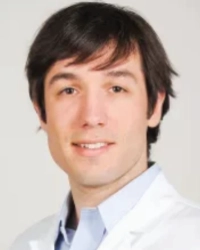
Raphael J. Morscher is a practicing pediatric oncologist and Prof. Dr. Max Cloëtta Research Group Leader at the University Children's Hospital Zurich. His research focuses on understanding how metabolism dictates cell identity with an emphasis on pediatric cancers.
Raphael received his MD and PhD from Paracelsus Medical University in Salzburg, graduating in 2017 with presidential honors (sub auspiciis praesidentis). During his doctorate, he studied metabolic reprogramming in neuroblastoma. He completed postdoctoral training at Princeton University with Joshua Rabinowitz (2016-2018), developing in vivo stable isotope tracing approaches and investigating folate-dependent tRNA modifications that regulate protein translation.
Since establishing his independent group in 2022, Raphael has leveraged multi-omic profiling - including stable isotope tracing and ribosome profiling - to generate fundamental insights into human metabolism. Recent contributions include defining compartmentalized glutamate metabolism in muscle stem cell fate determination (Soro et al., Dev Cell 2024) and discovering that polyamines regulate codon-biased stem cell programs in neuroblastoma (Cherkaoui et al., Nature 2025). His lab also co-led an unbiased pan-amino acid dropout screen identifying histidine vulnerability in T-cell acute lymphoblastic leukemia. These discoveries bridge metabolic mechanisms with therapeutic opportunities in high-risk childhood cancers.
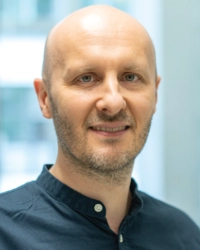
Wilhelm Palm is a group leader at the DKFZ. His lab studies how crosstalk between mTORC1, Ras and environmental factors controls lysosomal and mitochondrial metabolism in cancer.
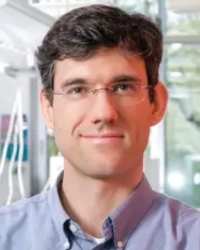
Aurelio Teleman is Head of Division at the German Cancer Research Center (DKFZ) and Professor at the University of Heidelberg. His lab studies the regulation of cell and tissue growth using both Drosophila and mammalian models.
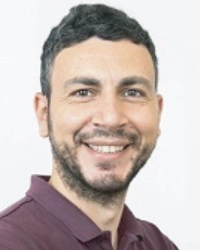
Gennaro Napolitano received his degree in Biological Sciences in 2005 from the University of Naples “Federico II.” In 2009, he earned his Ph.D. in Advanced Biology, carrying out his doctoral research at the Institute of Genetics and Biophysics (IGB) in Naples. As a postdoctoral fellow, he moved to the United States, where he joined the University of California, San Diego, and The Scripps Research Institute (TSRI) in La Jolla. There, his research focused on the lysosome and in particular on cystinosis, a metabolic disorder belonging to the group of lysosomal storage diseases. In 2014, he returned to Italy as a postdoctoral fellow at the Telethon Institute of Genetics and Medicine (TIGEM) in Pozzuoli (NA), where he developed a strong interest in the mechanisms regulating cellular metabolism, with particular attention to the transcription factor TFEB and its modulator mTORC1, key proteins in metabolic signaling.
In 2016, he was appointed as a tenure-track Assistant Researcher (RTD-A), promoted to RTD-B in 2019, and in 2022 became an Associate Professor of Medical Genetics at the University of Naples “Federico II.” Since 2020, he has led his own research laboratory at TIGEM in Pozzuoli. His research, currently supported by Telethon, AIRC, WCRFI, and the Italian Ministry of University and Research (MIUR), aims to elucidate the molecular mechanisms of metabolic signaling and their involvement in rare genetic diseases and cancer.
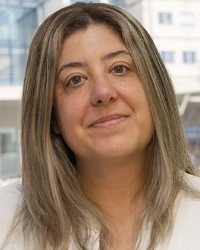
Maria Rodriguez Colman, born and race in Argentina, obtained her PhD at the Institute of Biomedical Sciences, IRB Lleida in Spain. During her postdoc in the Netherlands, she started research lines using organoids to disclose the role of metabolism in stem cell function and differentiation. She showed that different metabolic footprints define different cell types in the intestine, that a ‘metabolic teamwork’ between these cell types supports intestinal homeostasis and that metabolism drives and regulates cell fates. Since 2020 she is an Associate Professor at the Center for Molecular Medicine at UMC Utrecht. Her Lab investigates the Metabolism of Stem Cells and Cancer. Next to commonly applied multiomics i.e. RNA-seq, ChiC-seq, proteomics, and metabolomics, the unique angle of the lab is to visualize metabolites and redox changes by live imaging using genetically encoded fluorescent reporters in 2D and 3D models. Single-cell and subcellular resolution, enables monitoring of metabolic changes in different metabolic compartments (nucleus, mitochondria, etc.) during organoid development, cell cycle phases, responses to anticancer treatment, and stem cell differentiation, among others. Analysis of such complex data is performed through machine learning-based single-cell tracking, enabling lineage tracing and prediction of cell type specification Interplay between metabolic identities in the intestinal crypt supports stem cell function.
www.RodriguezColmanLab.org
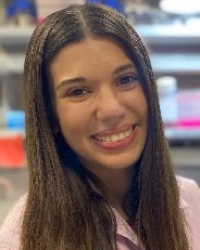
Dr. Demetriadou earned her BSc with Honors in Biological Sciences from the University of Cyprus in 2014 and her MSc in Oncology from the University of Nottingham in 2015, where she received the School of Medicine Student of the Year Award. She completed her PhD in Cancer Epigenetics at the University of Cyprus in 2021 under the supervision of Dr. Antonis Kirmizis. Her doctoral work focused on the role of histone N-terminal acetylation in transcriptional regulation, and she was recognized with both the School of Pure and Applied Sciences Interdisciplinary Research Award and the Department of Biological Sciences Award for Excellence in Graduate Research Performance. In 2022, she joined the laboratory of Dr. Kathryn Wellen at the University of Pennsylvania as a postdoctoral fellow, co-mentored by Dr. Nathaniel Snyder at Temple University, where she studies the fascinating link between cancer metabolism and epigenetics. Her research centers on how cancer cells spatially reorganize metabolic pathways to directly influence chromatin dynamics and gene expression. Her recent work identified a nuclear-localized isoleucine catabolic pathway that fuels histone propionylation and drives tumor-associated transcriptional programs. Dr. Demetriadou is currently supported by the prestigious AACR Anna D. Barker Basic Cancer Research Fellowship.